If you want the charm of Blowing Rock with the convenience of leaving your car parked, the in-town area stands apart. This part of town offers a rare mix of sidewalks, short blocks, public green space, and easy access to shops, dining, and seasonal events. If you are considering a home in or near the center of Blowing Rock, understanding how the walkable core actually lives day to day can help you choose the right fit. Let’s take a closer look.
What defines in-town Blowing Rock
Blowing Rock’s walkable in-town area is best understood as a compact village core, not a large suburban-style district. Town planning documents identify Main Street and Sunset Drive as the two primary downtown corridors, both with sidewalks on both sides throughout downtown.
Nearby streets like Laurel Lane, Park Avenue, and Morris Street also include some pedestrian facilities. Main Street sidewalks average about 7 to 8 feet wide, which supports an easy strolling environment in the center of town.
That said, walkability here is strongest in the core, not everywhere. The town notes that many smaller connecting streets still do not have sidewalks, so it helps to think of in-town Blowing Rock as pedestrian-friendly, but not car-free.
Streets that shape the walkable core
The heart of downtown centers around Main Street, Sunset Drive, Park Avenue, Laurel Lane, Morris Street, Maple Street, Wallingford Street, and Ginny Stevens Lane. Together, these blocks create a short-loop feel that is easy to navigate on foot.
The local historic walking tour describes downtown as an easy-to-walk loop within just a few blocks of Main Street. That is a useful way to picture daily life here. You are not covering a broad urban grid. You are moving through a compact village setting with quick access between destinations.
What the village setting feels like
One reason downtown Blowing Rock feels distinct is its scale. In the Town Center and Central Business districts, maximum building height is 30 feet, and the town’s design standards call for a mountain-village appearance.
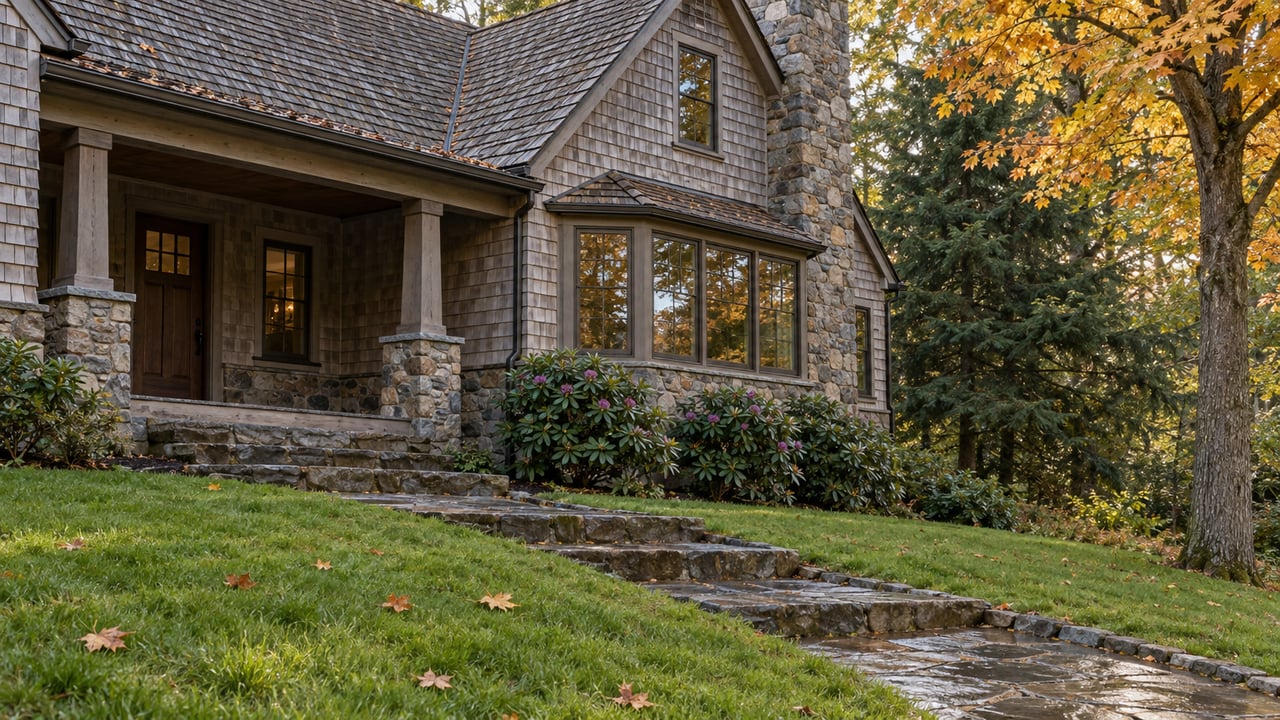
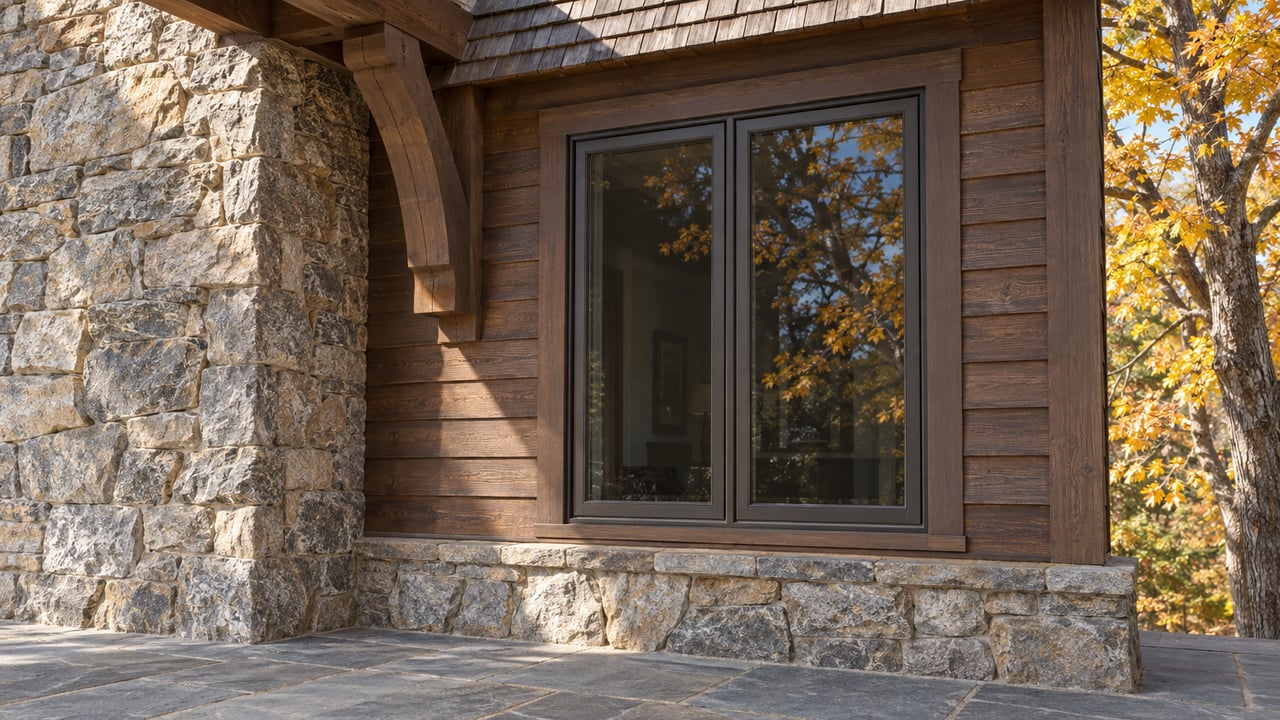
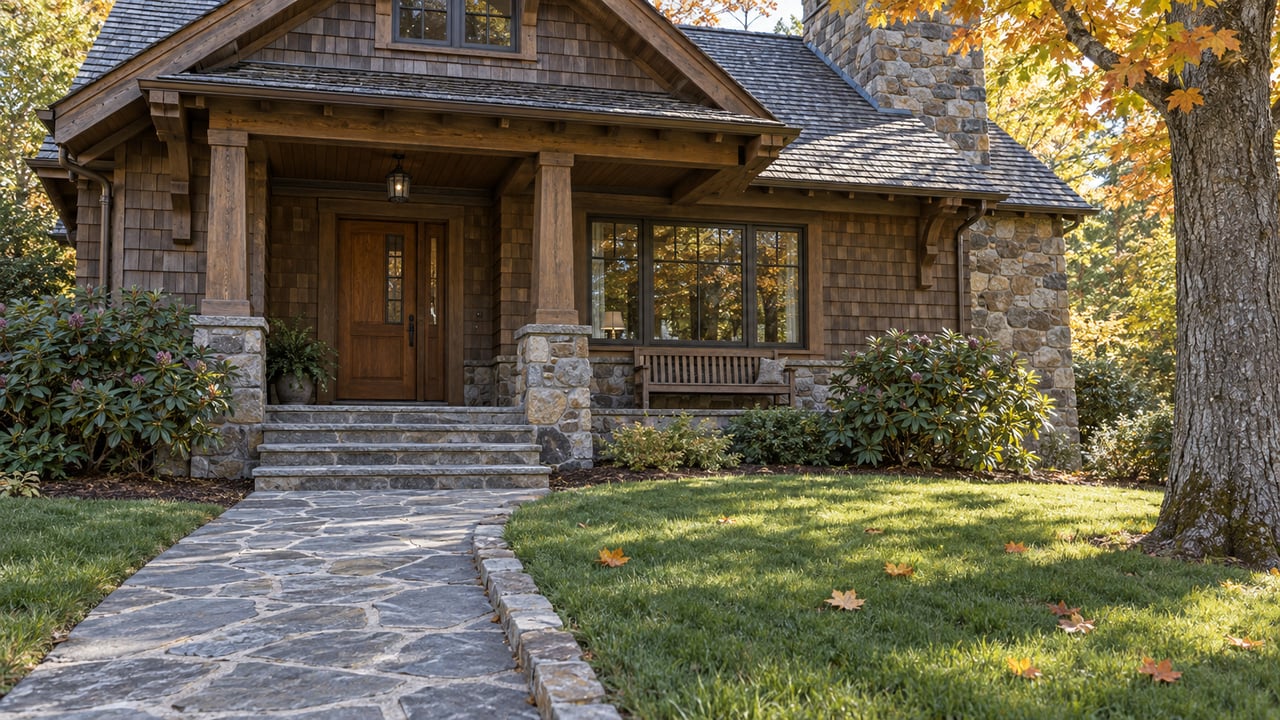
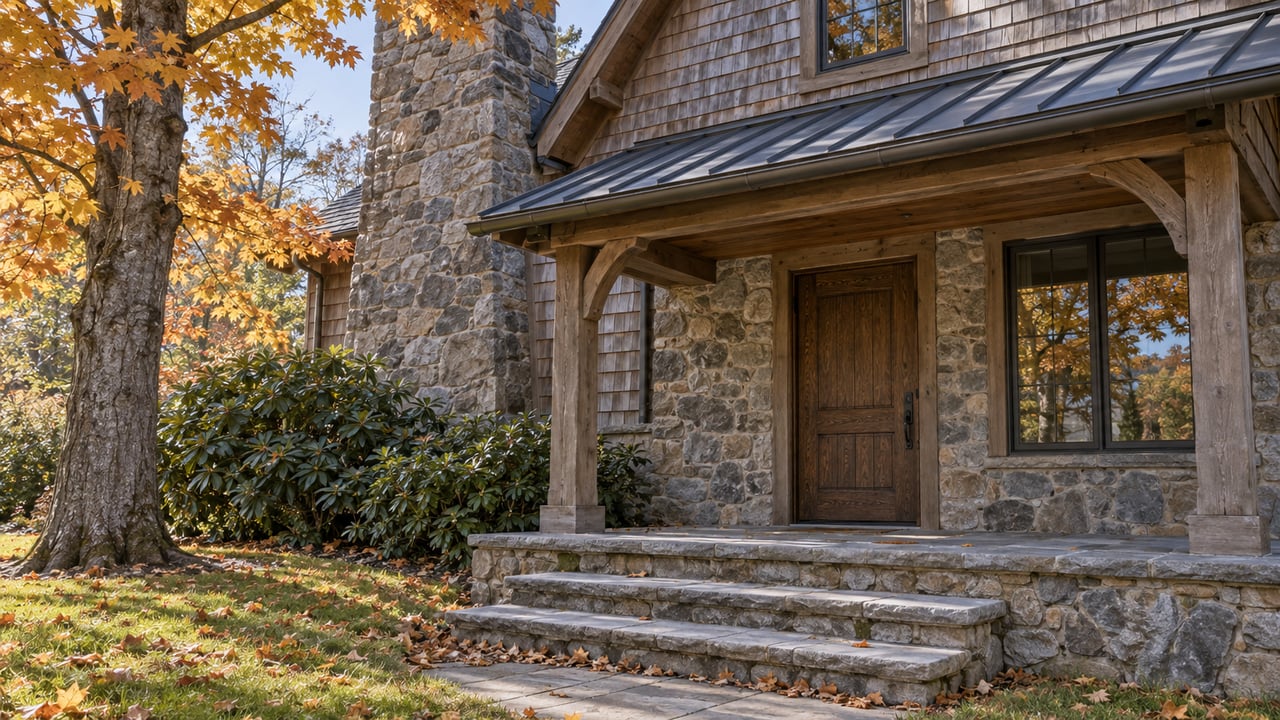
Those standards emphasize natural stone or wood, street-facing facades, and details like porches, dormers, gables, balconies, columns, and cornices. The result is a low-rise streetscape that feels intimate and visually consistent rather than oversized or commercial in a generic way.
For buyers, that scale matters. It shapes the pace of the area and reinforces why living close to town can feel more connected, more walkable, and more rooted in place.
What you can walk to daily
Downtown Blowing Rock is more than a shopping strip. The town’s comprehensive plan says the core includes shops, restaurants, Town Hall, the library, museums, churches, and some homes.
At the time of that plan, downtown had about a dozen restaurants and about twice as many shops, including apparel stores, gift shops, boutiques, and home décor stores. If your ideal day includes coffee, a walk, lunch in town, and errands on foot, this is the part of Blowing Rock where that lifestyle is most realistic.
Parks and green space near downtown
A walkable neighborhood feels even more livable when green space is part of the routine. In Blowing Rock’s core, several public parks and trails add that layer.
Memorial Park
Memorial Park is the civic and event center of downtown. The town says its recreation spaces are open to the public and free of charge, and Memorial Park includes a large playground, tennis courts, basketball courts, and sand volleyball.
For many people, this is part of what gives in-town Blowing Rock a true neighborhood feel. It is not just about storefronts. It is also about having outdoor gathering space woven into the center of town.
Broyhill Park and Annie Cannon Gardens
Broyhill Park and Annie Cannon Gardens offer quieter green space close to downtown. Broyhill Park includes a walking trail around Mayview Lake and a gazebo, while Annie Cannon Gardens is a passive creekside recreation area with a walking trail.
The Glen Burney Trail also begins at Annie Cannon Gardens. If you want to be close to town but still enjoy peaceful outdoor spots within a short walk, these areas are an important part of the in-town appeal.
History Walk and walking tour
Blowing Rock also has a compact History Walk in the center of town. It is a quarter-mile loop that starts near Main Street and Laurel Lane, continues down Laurel Lane and around Broyhill Park, and then returns to Main Street.
The stations are along the sidewalk and wheelchair accessible. Along with the historic downtown walking tour, it adds another layer to the experience of living nearby. You are not just walking for convenience. You are walking through a setting with visible local history and character.
Seasonal events shape the lifestyle
One of the clearest differences between living in-town and living farther out is how directly you experience Blowing Rock’s event calendar. Downtown functions as a walkable event district throughout the year.
Art in the Park, for example, runs on Park Avenue on six Saturdays from May through October, with artists’ tents stretching from Main Street to Wallingford Street. The Fourth of July parade and festival is centered on Main Street and Memorial Park, while Halloween and Christmas events also cluster in the downtown core.
WinterFest extends that same pattern into the colder months with live music, family activities, hayrides, shuttle service, and other events. If you enjoy being able to step into the middle of town life on foot, this is one of the strongest reasons to focus your home search near the center.
In-town homes and architecture
Blowing Rock’s in-town housing story is tied to its history as a resort village. The town notes that early visitors stayed in boarding houses on Main Street, many homes later became hotels, and the village grew as a destination for summer residents.
That history still shows up in the built environment. The historic walking tour highlights former residences, boarding houses, cottages, and small-scale buildings made with native stone, chestnut wood, and river or field stone.
For today’s buyers, the practical takeaway is that in-town Blowing Rock tends to feel like cottage and house territory, with older homes, renovated inns, former boarding houses, and small mixed-use buildings woven into the streetscape. It reads as layered, village-scaled, and historic rather than suburban.
What buyers should keep in mind
If you are thinking about buying near downtown, the biggest benefit is lifestyle convenience. Walkability is strongest for people who want to run errands on foot, meet friends in town, enjoy parks and events, and stay close to the village atmosphere that defines Blowing Rock.
The clearest tradeoff is activity level. Downtown becomes very busy on weekends, especially in summer and fall, and public parking can be more limited during peak periods.
The chamber notes that all public parking is free, but on-street parking along Main Street and Sunset Drive is generally limited to 3 hours between 9 a.m. and 6 p.m. On event weekends, shuttle service and off-street public lots often help manage demand.
For some buyers, that energy is part of the appeal. For others, the better fit may be living just off the core and walking in when you want to enjoy town.
Why sellers benefit from the in-town story
If you own property near downtown, your home’s location may offer more than simple proximity. Buyers often respond to how a home connects to daily life, village character, outdoor spaces, and the ease of enjoying Blowing Rock’s seasonal rhythm without needing to drive everywhere.
That means the in-town story should be told with care. The most effective positioning is not just that a property is “close to Main Street,” but how it relates to sidewalks, parks, the historic streetscape, and the practical convenience of the village core.
Choosing the right in-town fit
Not every walkable home in Blowing Rock offers the same experience. Some properties place you in the middle of the activity, just steps from Main Street, Park Avenue, or Sunset Drive. Others sit just outside the busiest blocks, where you may still walk into town while enjoying a little more separation from event traffic and weekend crowds.
That distinction matters. If your goal is a lock-and-leave second home, a lower-maintenance full-time residence, or a refined cottage close to dining and shopping, the right location within the in-town area can shape how you use the property year-round.
Blowing Rock’s center remains one of the High Country’s most distinctive walkable settings because it pairs village scale, public gathering space, and architectural character in a compact footprint. If that lifestyle is part of what draws you here, it is worth looking closely at which streets and blocks best match the way you want to live.
If you are considering buying or selling near downtown Blowing Rock, Jay Coble offers discreet, informed guidance tailored to the High Country market.
FAQs
What streets are considered walkable in downtown Blowing Rock?
- The walkable core centers on Main Street and Sunset Drive, with nearby streets such as Park Avenue, Laurel Lane, Morris Street, Maple Street, Wallingford Street, and Ginny Stevens Lane contributing to the village loop feel.
What can you walk to from in-town Blowing Rock homes?
- Depending on location, you may be able to walk to shops, restaurants, parks, the library, museums, churches, Town Hall, and seasonal events in the downtown core.
Are Blowing Rock in-town neighborhoods fully walkable?
- The downtown core is pedestrian-friendly, but it is not fully car-free. Main corridors have sidewalks on both sides, while many smaller connecting streets still lack sidewalks.
What parks are near downtown Blowing Rock?
- Memorial Park, Broyhill Park, and Annie Cannon Gardens are all close to downtown, and the Glen Burney Trail begins at Annie Cannon Gardens.
What is the lifestyle like near Main Street in Blowing Rock?
- Living near Main Street often means easier access to dining, shopping, parks, and events, along with more activity and visitor traffic during busy weekends and seasonal festivals.
What types of homes are common in in-town Blowing Rock?
- In-town Blowing Rock is often associated with historic cottages, older houses, renovated inns, former boarding houses, and small-scale buildings that reflect the town’s village character.
Is parking difficult in downtown Blowing Rock?
- Public parking is free, but downtown can get very busy on weekends, especially in summer and fall, and on-street parking along Main Street and Sunset Drive is generally limited to 3 hours between 9 a.m. and 6 p.m.